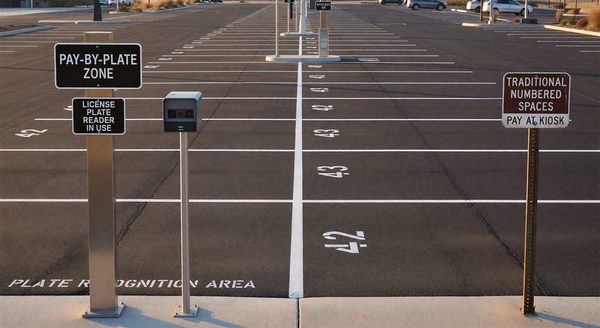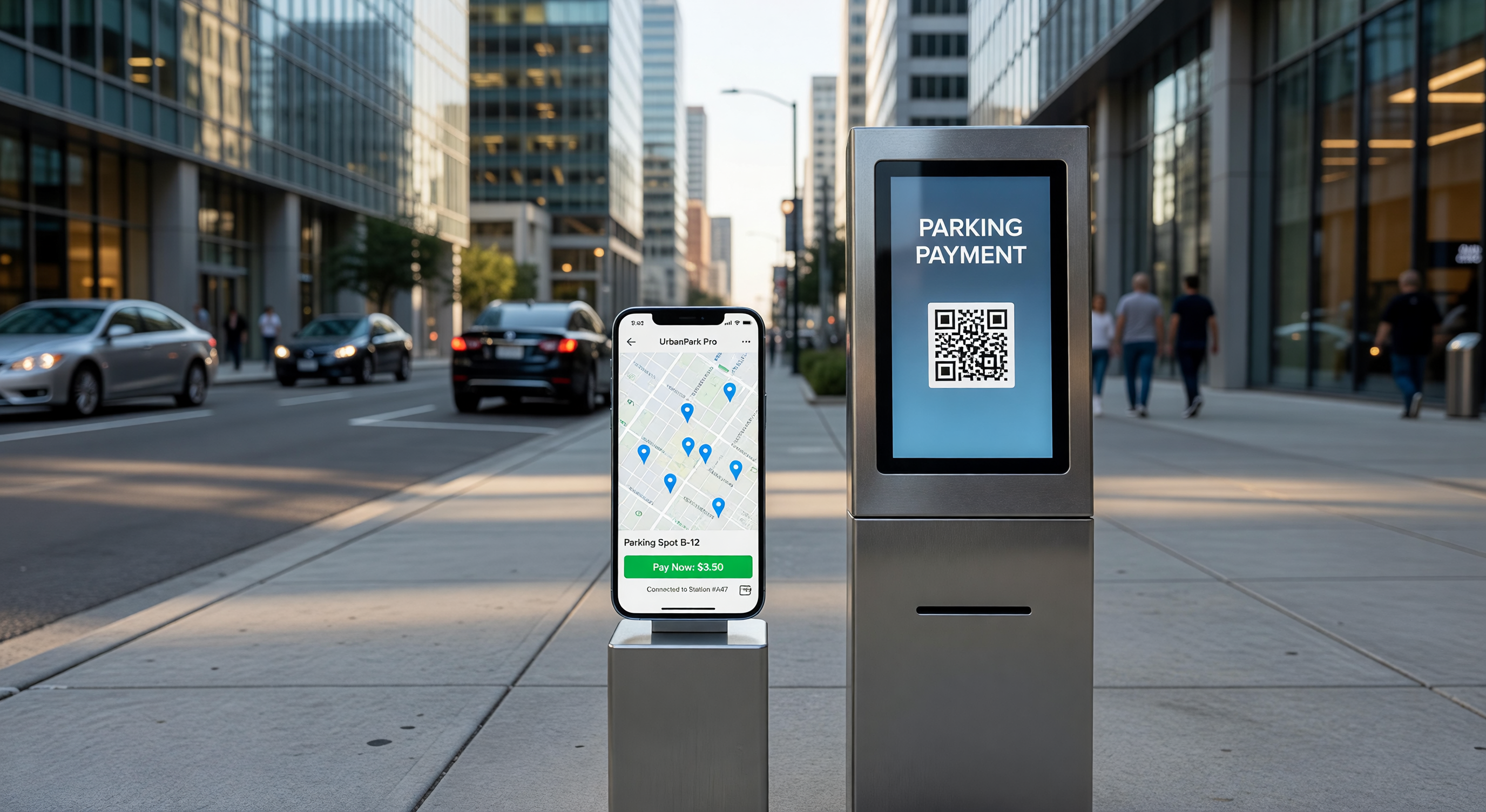
Mobile parking payment has moved from a supplemental option to an expected feature in most urban parking markets. Customers who pay for parking with apps like SpotHero, ParkWhiz, PayByPhone, or a facility’s own app expect the payment to be recognized at the physical access control equipment — gates should open, enforcement should confirm payment, and the transaction should be logged in the PARCS system.
This only works when the app is genuinely integrated with the pay station and PARCS infrastructure — not simply a payment front-end that creates a separate transaction record disconnected from the physical equipment. This guide covers the integration architecture that makes app payments operationally functional and the due diligence that distinguishes real integration from surface-level connection.
What “App Integration” Actually Means
The marketing language around parking app integration is imprecise. When a vendor says their pay station “integrates with apps,” this could mean any of several things with very different operational implications:
Level 1: Inventory listing only. The app lists the facility and its rates but doesn’t directly communicate with the PARCS system. Customers who pay through the app receive a confirmation; the parking operator receives a file or batch report. The physical gate still requires a separate ticket or credential for access.
Level 2: Payment notification. The app sends a payment notification to the PARCS system when a customer pays. The PARCS system updates the vehicle’s status to “paid.” The gate or enforcement system can then recognize the vehicle’s plate (LPR-based) as paid.
Level 3: Full session management. The app and PARCS system exchange real-time data: inventory availability, session starts, session extensions, and session ends. The app can start a session remotely; the customer can extend their session from their phone; enforcement confirms the plate as paid in real time against the active PARCS database.
Level 3 integration is the operational target — Level 1 creates customer confusion and operational friction.
API Requirements for True Integration
True pay station and PARCS integration with mobile apps requires the PARCS system to expose APIs that the app can call. The key API functions:
Availability and Inventory
The app must know how many spaces are available at a facility before the customer commits to parking there. The availability endpoint should provide:
- Current available space count (total and by zone/type if applicable)
- Pricing information (current rate, any event or time-of-day adjustments)
- Facility operating hours and any access restrictions
Update frequency: Availability data that updates every 15 minutes is adequate for casual parking discovery. For pre-booking platforms where customers reserve a specific space, near-real-time updates (30–60 seconds) are required.
Session Start and Validation
When a customer initiates a parking session through the app:
- The app sends the plate number and payment confirmation to the PARCS system
- The PARCS system creates a session record linking the plate to an active, paid session
- The gate (for gated facilities) can now recognize the plate as pre-authorized for entry
- Enforcement can confirm the plate is in an active paid session
This call must be completed before the customer arrives at the gate — if the session creation call requires network round-trip time plus PARCS processing time, gate delay is created.
Session Extension
Customers should be able to extend their parking session from their phone without returning to a pay station. The extension API:
- Accepts the plate number and additional time purchased
- Updates the session record in PARCS with the new expiration time
- Returns confirmation to the app
The enforcement system must pick up session extensions in real-time — a 15-minute polling interval means a customer who extends their session might receive a violation issued in the gap between their extension and the enforcement system’s next update.
Session End
When the customer leaves, the session should be closed:
- For gated facilities: exit LPR triggers session close automatically
- For ungated facilities: manual session end from the app, or automatic close at session expiry
Consumer App Integrations vs. Operator App Integrations
Consumer Third-Party Apps
Third-party parking apps (SpotHero, ParkWhiz, PayByPhone, Passport Parking, and others) aggregate inventory across multiple operators and cities. They bring demand — customers who discover and book parking through the app’s marketplace.
Integration with these platforms typically involves:
- API credentials shared with the app provider
- Rate and inventory feed to the app’s platform
- Payment processing through the app’s payment infrastructure (the app charges the customer; the app pays the operator, usually minus a commission)
- Session data returned to the operator’s PARCS system
Commission rates vary by platform — typically 15–30% of the transaction value. Evaluate whether the demand generated by the platform justifies the commission relative to self-managed channels.
Operator-Branded Apps
A branded app controlled by the operator (or a PARCS vendor’s white-label app) doesn’t involve third-party commission but requires user acquisition — getting customers to download and use the app rather than using a platform they’re already on.
Branded apps are most appropriate for:
- Permit management (monthly parkers who have reason to use the operator’s specific app)
- Loyalty programs where repeat customers benefit from facility-specific features
- Facilities with captive user bases (campuses, hospitals, employer-managed lots)
For transient parkers in competitive urban markets, third-party platform reach typically outweighs the branded app advantage.
Evaluating Integration Quality
Before committing to a PARCS platform or app integration, evaluate integration quality with these questions:
Real-Time vs. Batch
Ask: “When a customer starts a session through the app, how quickly is that session visible to our enforcement system?”
If the answer is “the next batch update, which runs every 30 minutes” — that’s a Level 1 integration where enforcement can cite a customer who paid through the app during the update interval.
Real integration should propagate session starts to enforcement in under 60 seconds.
Reference Customers
Request a reference customer who uses the specific app integration you’re evaluating and ask them:
- How often do customers with valid app payments receive violations?
- How are disputes resolved — does the system automatically reverse violations for documented paid sessions?
- Has the integration ever gone down, and what happened to parking sessions during the outage?
Failover Behavior
What happens if the API connection between the app and PARCS goes down?
- Can customers still start sessions (local processing fallback)?
- Can enforcement still confirm sessions (cached data)?
- How are sessions started during an outage reconciled when connectivity restores?
Receipt and Transaction Reconciliation
App-initiated transactions need to appear in the operator’s PARCS transaction reporting alongside pay station transactions — not in a separate report that must be manually reconciled.
Verify that app transactions:
- Appear in the PARCS daily transaction log with the same detail level as pay station transactions (plate, time, amount, method)
- Are included in revenue reports and shift reconciliation
- Flow through the same financial settlement process as pay station card transactions (or have a clearly defined separate settlement process)
Frequently Asked Questions
Should we accept multiple parking apps or commit to one platform? Multiple app integrations provide broader customer reach but increase operational complexity (multiple API integrations, multiple payment reconciliation streams, multiple support relationships). Start with one or two high-traffic platforms in your market, verify the integrations are working well, then evaluate adding additional platforms.
What is the typical implementation timeline for a parking app integration? Simple API-based integrations (inventory and payment confirmation) take 4–12 weeks. Full session management integrations with enforcement data sharing can take 3–6 months depending on the PARCS vendor’s API readiness and the app provider’s integration schedule. Plan conservatively.
Do app payments affect our PCI scope? App payments processed through the app’s own payment infrastructure (the customer provides card details to the app, not to the operator’s payment terminal) may reduce the operator’s PCI scope — the operator receives payment confirmation rather than card data. Verify with your QSA how app payment channels are scoped in your specific PARCS configuration.
Can a customer use both the app and a pay station for different sessions at the same facility? Yes, and this is common. The PARCS system should handle both transaction types transparently — a customer might pay through the app on Tuesday and at the pay station on Wednesday. Enforcement sees both as valid paid sessions by plate.
Key Takeaway
Parking app integration that actually works operationally — where app payments are recognized at gates and by enforcement in real time — requires API depth that goes beyond simple inventory listing. Evaluate the specific API capabilities of your PARCS platform before committing to app integration projects, and verify integration quality through reference customers and direct API review rather than sales demonstrations.