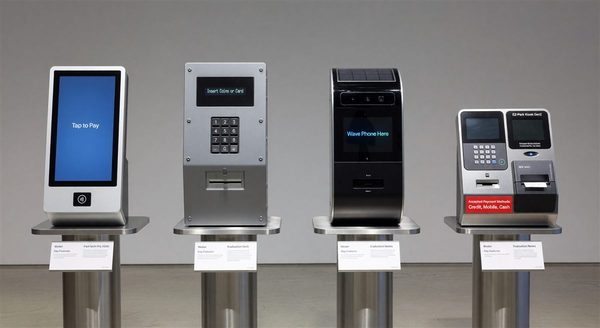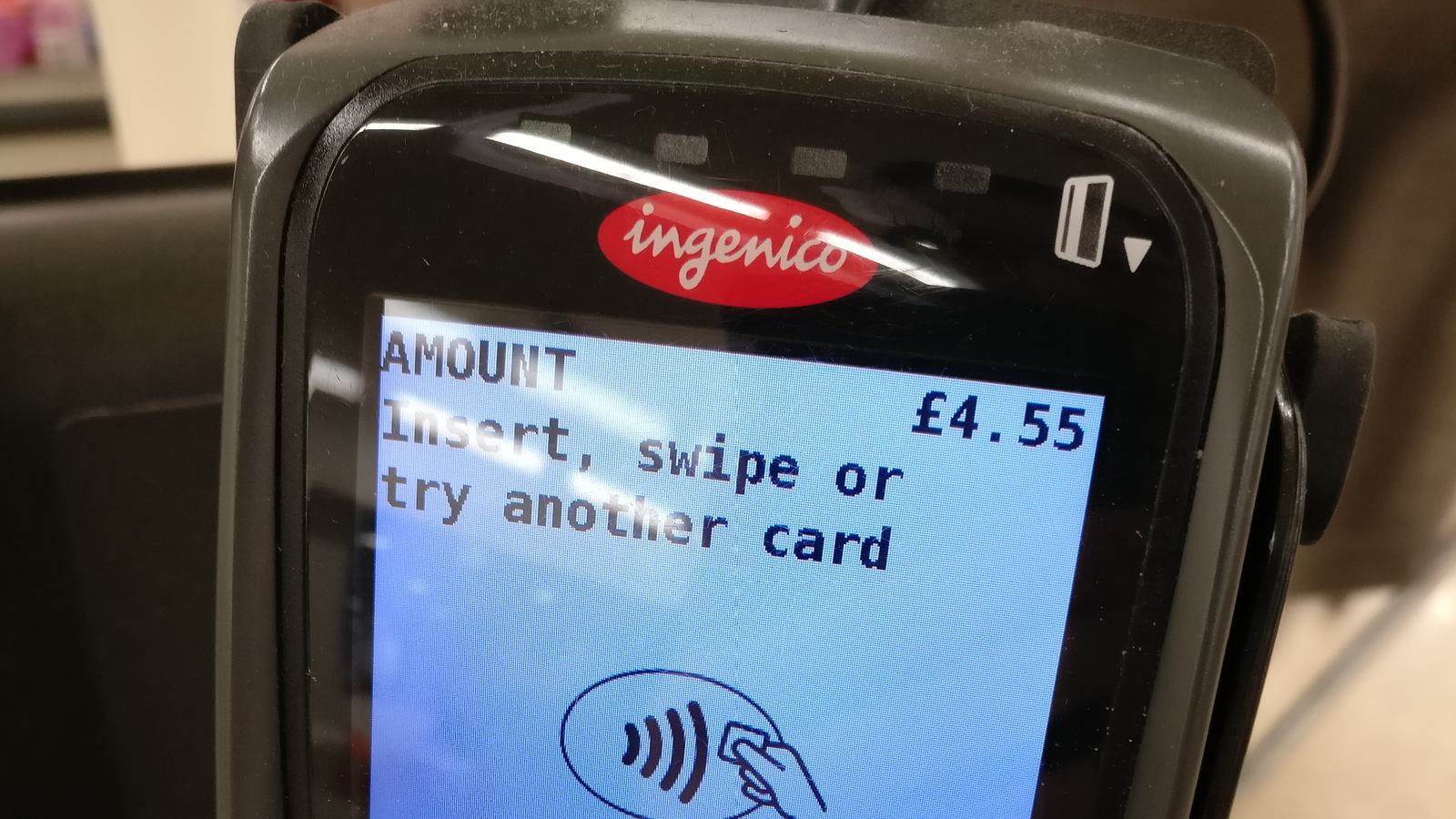
A pay station contract is also a compliance contract. The moment cardholder data flows through that kiosk, your operation inherits liability under the Payment Card Industry Data Security Standard — and the version now in force is PCI DSS v4.0.1. Choose the wrong hardware or accept a vague compliance answer from a vendor, and you can lock your operation into years of expanded audit scope, quarterly scanning bills, and fraud exposure that a different purchase would have avoided. This checklist covers what to confirm before the purchase order is signed, not after the first chargeback.
What PCI DSS 4.0.1 Actually Changed
The PCI Security Standards Council (PCI SSC) published PCI DSS v4.0.1 in June 2024 as a limited revision of v4.0. It added no new requirements and deleted none — it corrected errors and clarified intent across the standard. Organizations were expected to transition to the 4.0.1 text by January 1, 2025, and the future-dated requirements introduced back in v4.0 became mandatory on March 31, 2025. In practice, that means the full weight of v4.0/4.0.1 is now live: the transition grace period is over.
Two clarifications in 4.0.1 matter for anyone buying unattended payment hardware. First, the Council reaffirmed the physical-device controls in Requirement 9.5, which govern how point-of-interaction (POI) terminals are protected against tampering and skimming. Second, it tightened language around payment-page script management under Requirement 6.4.3 — relevant if your operation also takes payments through a web portal or mobile page tied to the same merchant account. The takeaway for a buyer is not that the rules changed dramatically, but that “we’re working toward 4.0” is no longer an acceptable vendor answer.
Why Unattended Pay Stations Draw Extra Scrutiny
A pay station sits outdoors, unattended, often overnight, in a location the public can approach freely. That is exactly the profile attackers target for skimming overlays and tampered card readers. PCI DSS Requirement 9.5.1 exists to prevent theft of cardholder data through stolen or manipulated terminals, and Requirement 9.5.1.2 mandates periodic physical inspection of POI devices for signs of tampering and unauthorized substitution.
Under v4.0.1, the inspection frequency is not a fixed number handed to you — Requirement 9.5.1.2.1 directs you to set it through a targeted risk analysis performed under Requirement 12.3.1. A device with high public exposure warrants more frequent checks than one behind a controlled barrier. The hardware you buy directly affects how manageable that obligation is: tamper-evident enclosures, security seals, and devices that erase sensitive keys and go inoperable the instant tampering is detected all reduce both your risk and your inspection burden. Ask how the unit signals a tamper event, and whether that alert reaches your back office remotely or only shows on the device.
The Pre-Signing PCI Checklist
Work through every item below before signing. Each maps to something you can verify with documentation, not a salesperson’s assurance.
- PTS POI approval. Confirm the exact terminal model appears on the PCI SSC’s list of approved PIN Transaction Security (PTS) POI devices, and that the approval is current, not expired. Get the model and firmware version in writing and check it against the published listing yourself.
- P2PE validation. Ask whether the payment path is a PCI-listed Point-to-Point Encryption (P2PE) solution. A validated P2PE solution encrypts card data inside the reader before it touches your network, which is the single biggest lever for shrinking your compliance scope. Require the P2PE Instruction Manual (PIM) as a deliverable.
- SRED-capable reader. Devices with Secure Reading and Exchange of Data (SRED) protect account data at the point of capture. SRED is what makes the P2PE scope reduction real rather than theoretical.
- Encryption from the point of capture. Confirm cardholder data is encrypted at swipe, dip, or tap — before it reaches any component you operate. A compliant terminal wired to a non-compliant processor is still your liability.
- Tamper detection and response. Verify the device detects physical tampering, renders itself inoperable, and wipes sensitive cryptographic material automatically. Ask for the tamper-alert workflow.
- Your SAQ path in writing. Have the vendor state which Self-Assessment Questionnaire their solution supports. SAQ P2PE applies when your terminals are part of a validated P2PE solution and is the most favorable path for operators. SAQ B-IP applies to standalone, IP-connected PTS POI terminals with no electronic cardholder data storage. The difference is dozens of controls you either do or do not have to attest to.
- No cardholder data storage. Confirm the pay station never stores full PAN, and get that stated explicitly. Stored card data expands scope faster than almost anything else.
- Firmware and patch commitments. Requirement 6 obligations do not end at purchase. Ask who controls firmware updates, how security patches are delivered, and how many years the vendor commits to supporting the model.
- Processor and gateway compliance. Get the current Attestation of Compliance (AOC) for the payment processor and gateway in the solution, not only for the hardware.
Reading a Vendor’s PCI Paperwork Without Getting Fooled
Vendors lead with the phrase “PCI compliant,” which on its own means very little. The documents that matter are specific. Ask for the P2PE solution listing reference and the PIM; ask for the PTS POI approval number; and ask for a current AOC covering every component that handles card data. If a vendor treats these as unusual requests, that itself is a signal.
Watch the dates. A PTS approval or a P2PE listing has an expiry, and a device on an expired listing does not deliver the scope reduction you are paying for. Watch the boundary, too — a reader can be PTS-approved while the surrounding solution is not P2PE-validated, and only the validated P2PE path earns you SAQ P2PE. Finally, confirm the paperwork names the exact model and firmware you are buying. An AOC for a different configuration is not evidence about the box arriving on your dock.
The single highest-leverage move is to make PCI documentation a condition of the contract: require the PTS approval reference, the P2PE PIM, the processor AOC, and a written statement of your SAQ eligibility as named deliverables before payment. A vendor who supplies those quickly has done this before and built compliance into the product. A vendor who stalls is telling you what your first audit will feel like — verify it now, while you still have the leverage of an unsigned purchase order.